
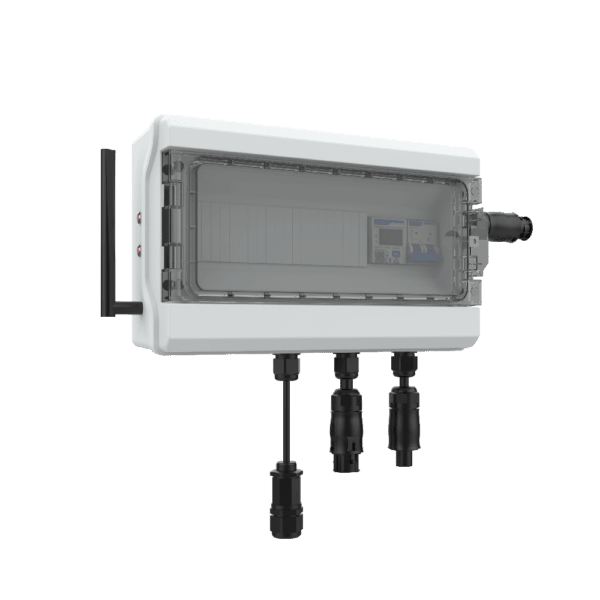
 Home energy storage for solar self-consumption is about using more of the power a household already produces. Without storage, daytime PV output may not match evening consumption. A home battery can shift energy into higher-use periods and may also support selected backup loads.
Decision background
The first step is to define the job the storage system must perform. Some projects are driven by cost control, others by backup needs, and others by solar self-consumption or grid limitations. A buyer should write down the operating goal, the expected load behavior, and the site constraints before comparing suppliers. This prevents the discussion from turning into a simple capacity comparison.
Technical and commercial checks
Buyers should compare PV size, evening load, usable battery capacity, inverter compatibility, monitoring, and expansion. The battery should fit daily behavior rather than a generic capacity target. Buyers should ask suppliers to show the assumptions behind the recommendation: usable capacity, power rating, cooling method, enclosure format, control logic, installation conditions, and support scope. A strong proposal does not need to be complicated, but it should be specific enough for engineering, purchasing, and finance teams to review the same facts.
Risk control
The mistake is choosing a battery without estimating how much solar energy is actually available to store. The buyer should ask: When is solar produced? When is electricity used? How much backup is needed? Can the system expand later? If these answers are missing, the quotation may still be useful as a price reference, but it is not yet strong enough for final selection. A better supplier conversation will connect the technical choice with installation, operation, and service expectations.
For residential solar and backup projects, home energy storage system from PVB can be reviewed as part of a broader home energy storage strategy.
Shortlist advice
Self-consumption planning turns home storage into a practical energy tool. The strongest storage projects are usually the ones where assumptions are visible early. That makes it easier to compare offers, avoid late redesigns, and choose a system that can be installed and operated with fewer surprises.
Home energy storage for solar self-consumption is about using more of the power a household already produces. Without storage, daytime PV output may not match evening consumption. A home battery can shift energy into higher-use periods and may also support selected backup loads.
Decision background
The first step is to define the job the storage system must perform. Some projects are driven by cost control, others by backup needs, and others by solar self-consumption or grid limitations. A buyer should write down the operating goal, the expected load behavior, and the site constraints before comparing suppliers. This prevents the discussion from turning into a simple capacity comparison.
Technical and commercial checks
Buyers should compare PV size, evening load, usable battery capacity, inverter compatibility, monitoring, and expansion. The battery should fit daily behavior rather than a generic capacity target. Buyers should ask suppliers to show the assumptions behind the recommendation: usable capacity, power rating, cooling method, enclosure format, control logic, installation conditions, and support scope. A strong proposal does not need to be complicated, but it should be specific enough for engineering, purchasing, and finance teams to review the same facts.
Risk control
The mistake is choosing a battery without estimating how much solar energy is actually available to store. The buyer should ask: When is solar produced? When is electricity used? How much backup is needed? Can the system expand later? If these answers are missing, the quotation may still be useful as a price reference, but it is not yet strong enough for final selection. A better supplier conversation will connect the technical choice with installation, operation, and service expectations.
For residential solar and backup projects, home energy storage system from PVB can be reviewed as part of a broader home energy storage strategy.
Shortlist advice
Self-consumption planning turns home storage into a practical energy tool. The strongest storage projects are usually the ones where assumptions are visible early. That makes it easier to compare offers, avoid late redesigns, and choose a system that can be installed and operated with fewer surprises.
Home energy storage for solar self-consumption is about using more of the power a household already produces. Without storage, daytime PV output may not match evening consumption. A home battery can shift energy into higher-use periods and may also support selected backup loads.
Decision background
The first step is to define the job the storage system must perform. Some projects are driven by cost control, others by backup needs, and others by solar self-consumption or grid limitations. A buyer should write down the operating goal, the expected load behavior, and the site constraints before comparing suppliers. This prevents the discussion from turning into a simple capacity comparison.
Technical and commercial checks
Buyers should compare PV size, evening load, usable battery capacity, inverter compatibility, monitoring, and expansion. The battery should fit daily behavior rather than a generic capacity target. Buyers should ask suppliers to show the assumptions behind the recommendation: usable capacity, power rating, cooling method, enclosure format, control logic, installation conditions, and support scope. A strong proposal does not need to be complicated, but it should be specific enough for engineering, purchasing, and finance teams to review the same facts.
Risk control
The mistake is choosing a battery without estimating how much solar energy is actually available to store. The buyer should ask: When is solar produced? When is electricity used? How much backup is needed? Can the system expand later? If these answers are missing, the quotation may still be useful as a price reference, but it is not yet strong enough for final selection. A better supplier conversation will connect the technical choice with installation, operation, and service expectations.
For residential solar and backup projects, home energy storage system from PVB can be reviewed as part of a broader home energy storage strategy.
Shortlist advice
Self-consumption planning turns home storage into a practical energy tool. The strongest storage projects are usually the ones where assumptions are visible early. That makes it easier to compare offers, avoid late redesigns, and choose a system that can be installed and operated with fewer surprises.
Home energy storage for solar self-consumption is about using more of the power a household already produces. Without storage, daytime PV output may not match evening consumption. A home battery can shift energy into higher-use periods and may also support selected backup loads.
Decision background
The first step is to define the job the storage system must perform. Some projects are driven by cost control, others by backup needs, and others by solar self-consumption or grid limitations. A buyer should write down the operating goal, the expected load behavior, and the site constraints before comparing suppliers. This prevents the discussion from turning into a simple capacity comparison.
Technical and commercial checks
Buyers should compare PV size, evening load, usable battery capacity, inverter compatibility, monitoring, and expansion. The battery should fit daily behavior rather than a generic capacity target. Buyers should ask suppliers to show the assumptions behind the recommendation: usable capacity, power rating, cooling method, enclosure format, control logic, installation conditions, and support scope. A strong proposal does not need to be complicated, but it should be specific enough for engineering, purchasing, and finance teams to review the same facts.
Risk control
The mistake is choosing a battery without estimating how much solar energy is actually available to store. The buyer should ask: When is solar produced? When is electricity used? How much backup is needed? Can the system expand later? If these answers are missing, the quotation may still be useful as a price reference, but it is not yet strong enough for final selection. A better supplier conversation will connect the technical choice with installation, operation, and service expectations.
For residential solar and backup projects, home energy storage system from PVB can be reviewed as part of a broader home energy storage strategy.
Shortlist advice
Self-consumption planning turns home storage into a practical energy tool. The strongest storage projects are usually the ones where assumptions are visible early. That makes it easier to compare offers, avoid late redesigns, and choose a system that can be installed and operated with fewer surprises.